The Contract They Handed You Looks Great—But Does It Really?.
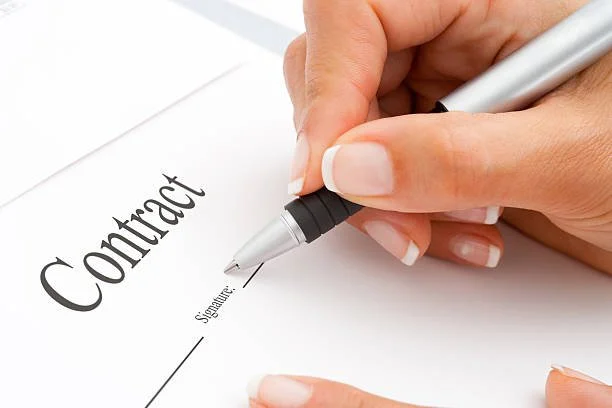
What Every Athlete Needs to Know Before Signing on the Dotted Line
You've worked your entire life for this moment. The offer is on the table. The numbers look good. Everyone's telling you to sign. Your family is excited. Your friends are congratulating you.
But here's the question nobody's asking: Do you actually understand what you're signing?
If you hesitated even for a second, you're not alone. Most athletes—even professionals who've been in the game for years—don't fully understand the contracts they sign. And that lack of understanding costs them. Sometimes a little. Sometimes everything.
Let's talk about what really happens behind those contracts, and more importantly, how to protect yourself.
The Truth About "Standard" Contracts
Here's what they don't tell you: there's no such thing as a truly "standard" contract in sports.
Sure, there are industry norms. League minimums. Typical clauses. But every single word in your contract is negotiable—and the people on the other side of that table know it.
When someone tells you "this is just our standard agreement" or "everyone signs this," what they're really saying is: "We'd prefer if you didn't ask questions."
The athletes who build wealth and protect their futures? They ask questions. Lots of them.
What's Really Hiding in Your Contract
Let's break down the sections most athletes gloss over—and why they matter more than you think:
1. Performance Clauses (The Fine Print That Can Cost You)
That signing bonus looks amazing, right? But did you notice the clause that says you only get it if you meet certain performance metrics? Or that it's paid out over three years instead of upfront? Or that you have to pay it back if you're released before year two?
Red flags to watch for:
Incentives tied to team performance (things outside your control)
"Roster bonuses" that disappear if you're injured
Escalators that require unrealistic statistical achievements
Clawback provisions that let them recoup money you've already "earned"
2. Injury Protection (Or Lack of It)
This is where contracts get scary. What happens if you tear your ACL in week three? What if it's a career-ending injury?
Critical questions:
Is your contract fully guaranteed, or can they cut you and stop paying?
What's covered under injury protection, and what's not?
How long do they have to pay you if you can't play?
Who decides when you're "healthy enough" to return?
Real talk: The difference between a guaranteed and non-guaranteed contract can be millions of dollars. Don't assume you're protected just because you signed a multi-year deal.
3. Image Rights and Endorsements (Your Name Has Value—Are You Keeping It?)
Even if you're signing an NIL deal or endorsement contract, pay attention to the exclusivity clauses and usage rights.
What they might be taking:
Exclusive rights to your image in certain categories (meaning you can't sign with competitors)
Perpetual usage (they can use your image forever, even after the contract ends)
Approval rights (they don't need your permission to use your likeness)
Merchandise percentages (you get a flat fee while they profit from your jersey sales)
The question you need to ask: "What am I giving up, and for how long?"
4. Termination Clauses (How They Can Walk Away)
This is the section that keeps lawyers up at night. Termination clauses outline how and when either party can end the agreement—but spoiler alert: they're usually stacked in favor of the team or brand, not you.
Watch for:
"Morality clauses" with vague language (what exactly counts as "conduct detrimental"?)
Performance benchmarks that give them an easy out
Injury provisions that let them cut you without full payment
Option years that benefit them, not you
5. Dispute Resolution (What Happens When Things Go Wrong)
Nobody signs a contract thinking they'll end up in court. But what happens if there's a disagreement?
Key considerations:
Does the contract require arbitration instead of court? (This can limit your options)
Who pays legal fees if there's a dispute?
What state's laws govern the contract? (This matters more than you think)
Is there a mediation requirement before escalation?
The Mistakes Athletes Make (And How to Avoid Them)
Mistake #1: Trusting the Other Side's "Lawyers"
"Our legal team will handle everything" sounds helpful. It's not. Their lawyers work for them, not you. Always have your own representation.
Mistake #2: Focusing Only on the Big Number
A $5 million contract sounds better than $3 million—unless only $1 million of that $5 million is guaranteed. Look at guaranteed money, not total value.
Mistake #3: Signing Under Pressure
"We need an answer by tomorrow" is a negotiation tactic, not a deadline. Legitimate offers don't disappear because you took time to review them properly.
Mistake #4: Not Reading the Entire Contract
Yes, it's boring. Yes, it's long. Yes, it's full of legal jargon. Read it anyway. Or have someone you trust read it and explain every single section.
Mistake #5: Assuming You Have No Leverage
Even if you're not a top draft pick or a household name, you have value. Otherwise, they wouldn't be offering you a contract. Know your worth, and negotiate accordingly.
What Good Representation Actually Does
Here's what happens when you have the right people in your corner during contract negotiations:
They identify the traps you wouldn't have seen. The clauses buried on page 47. The language that seems innocent but creates massive loopholes.
They know industry standards and can tell you when an offer is below market value—even when the team insists it's "competitive."
They negotiate beyond the numbers. It's not just about getting more money (though that's important). It's about protecting your rights, your health, your image, and your future earning potential.
They remove emotion from the equation. You're excited. You want to sign. You don't want to seem "difficult." Good representation asks the hard questions so you don't have to.
They think long-term. You're focused on this contract. They're thinking about how it positions you for the next one—and the one after that.
Questions You Should Ask Before Signing Anything
Don't sign a contract until you can confidently answer these questions:
What is the fully guaranteed money in this contract?
What happens if I get injured?
Can I be cut, and if so, what do I still get paid?
What rights am I giving up regarding my name, image, and likeness?
Are there performance clauses, and are they realistic?
What are the termination conditions, and who benefits from them?
How does this contract impact my ability to sign future deals?
What happens if there's a dispute?
Have independent legal experts reviewed this on my behalf?
Am I 100% comfortable with every single clause in this agreement?
If you can't answer all of these, don't sign yet.
The One Thing You Can't Get Back
Here's the reality: once you sign, you're bound to those terms. You can't go back and renegotiate because you didn't understand a clause. You can't undo the rights you gave away. You can't recover the money you left on the table.
Your signature is your commitment. Make sure you know exactly what you're committing to.
You Deserve More Than "Good Enough"
A lot of athletes sign contracts that are "fine." They're not terrible. They're not great. They're just... fine.
But you didn't work this hard to settle for fine. You didn't survive early mornings, injuries, setbacks, and competition to accept the first offer that comes your way without understanding it fully.
You deserve:
Full transparency about what you're signing
Representation that fights for your best interests, not just a quick deal
Contracts that protect you, not just the other side
Confidence that you're making informed decisions about your future
The Bottom Line
Contract negotiation isn't about being difficult. It's about being smart. It's about understanding your value and protecting your future.
The athletes who thrive long after their playing days? They're the ones who treated contracts like the business agreements they are—not just pieces of paper to sign quickly so they can get back to training.
You've already conquered the competition. Don't let a bad contract defeat you.
Need Help Navigating Your Next Contract?
At Tundra Sports Group, we believe athletes deserve representation that actually explains what's in their contracts—in plain English, not legal jargon. We negotiate with your long-term success in mind, not just the quickest deal.
Whether you're reviewing your first NIL agreement or negotiating a professional contract, we're here to make sure you understand every word, protect your interests, and secure the best possible terms.
About Tundra Sports Group
We provide authentic representation for athletes who refuse to settle for "good enough." From contract negotiation to brand building and legacy planning, we're in your corner—fighting for your future, not just your next deal.
